This World Sustainability Day, we explore how thoughtful workplace design, adaptability, longevity and responsible resource use can shape more sustainable workplaces that evolve with changing needs and stand the test of time.
Rethinking the Workplace Through Circular Design
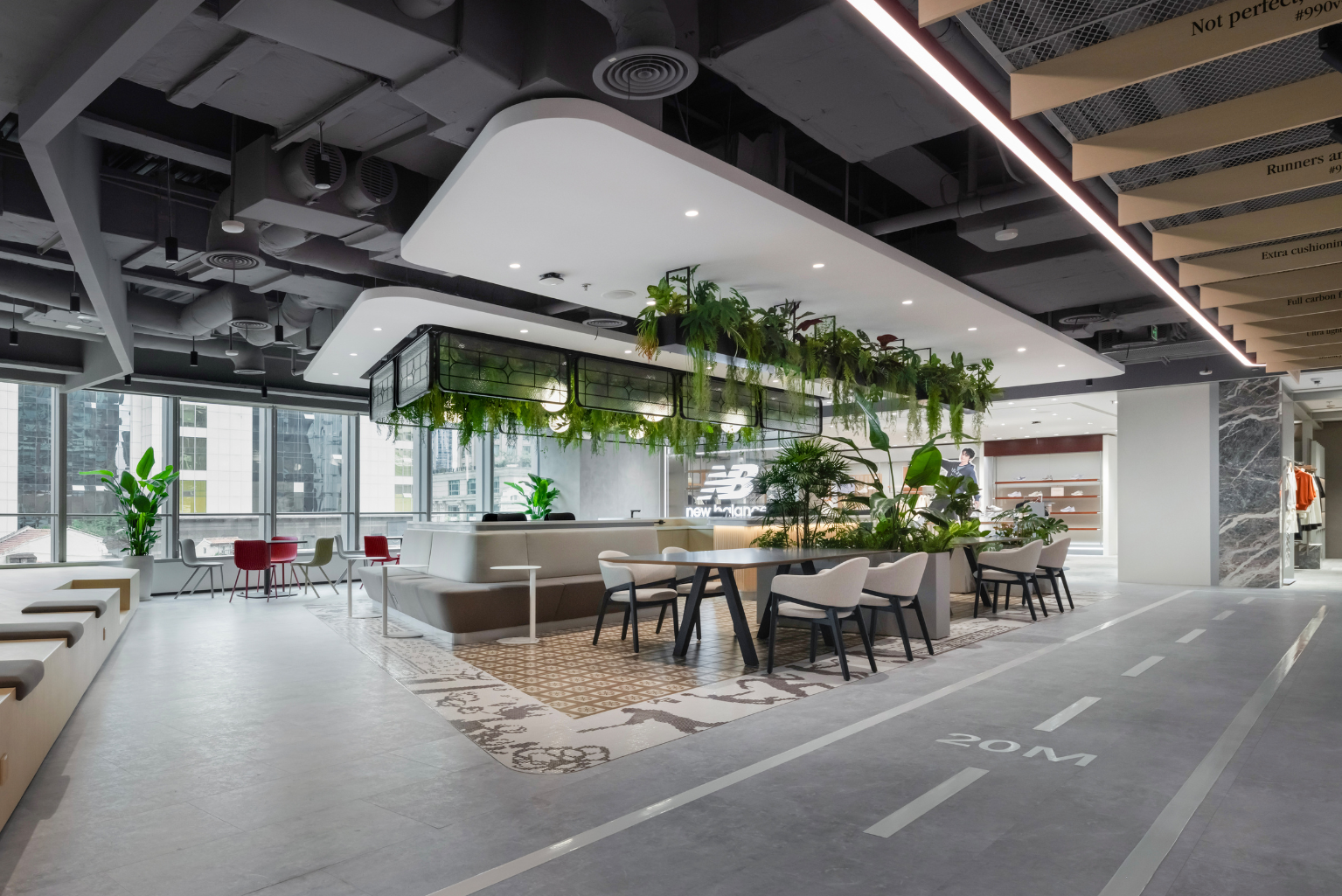
Traditional approaches to office construction and fit-out often follow a linear model, where materials are sourced, installed, used and eventually discarded when a workplace undergoes renovation.
In contrast, circular workplace design takes a longer-term view on how spaces and resources are used. By designing for adaptability, selecting durable materials, retaining existing assets where practical and allowing for easier maintenance or reconfiguration.
Rather than addressing waste only at the end of a project’s lifecyle, circular design places greater emphasis on preventing it from the outset. It encourages a more considered approach to sustainable office design and fit-out, where decisions made today can extend the useful life of workplace interiors and reduce the environmental impact of future changes.
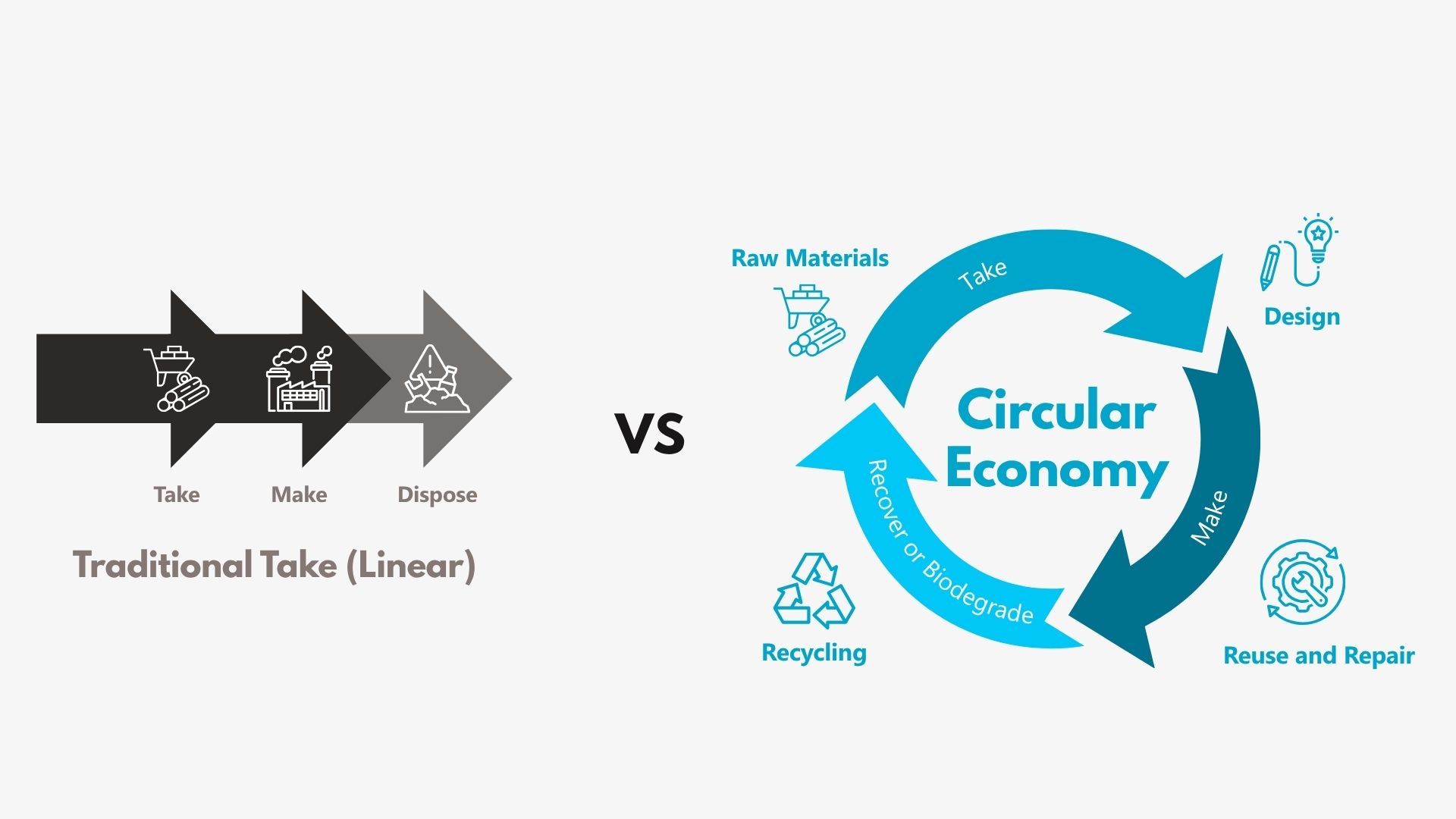 Circular workplace thinking considers the useful life of spaces, components and materials beyond their initial installation.
For a workplace design and build partner, adopting circular design principles means considering sustainability throughout the project lifecycle, from space planning and material selection to fabrication, installation and future adaptability.
The following three approaches explore how circular design and sustainable practices can shape more adaptable, resource-conscious workplaces that deliver lasting value.
1. Design Spaces That Can Adapt
Workplaces are rarely static. As organisations grow, working patterns shift and business priorities change, spaces must be able to accommodate new functions and ways of working.
Flexible workplace design allows organisations to respond to these changes without necessarily undertaking extensive renovation. By incorporating adaptable layouts and multipurpose spaces from the outset, workplaces can remain functional and relevant over time.
At MOL (Asia Oceania)’s office in Singapore, DB&B incorporated operable wall systems and adaptable furniture to create versatile spaces that support different workplace activities. Meeting and collaboration areas can be reconfigured to accommodate larger gatherings, training sessions and evolving team requirements.
Such an approach not only optimises the use of available floor space but can also minimise future alterations, reduce material waste and extend the useful life of workplace interiors.
Key considerations: Flexible space planning, operable partitions, modular furniture and multipurpose spaces.
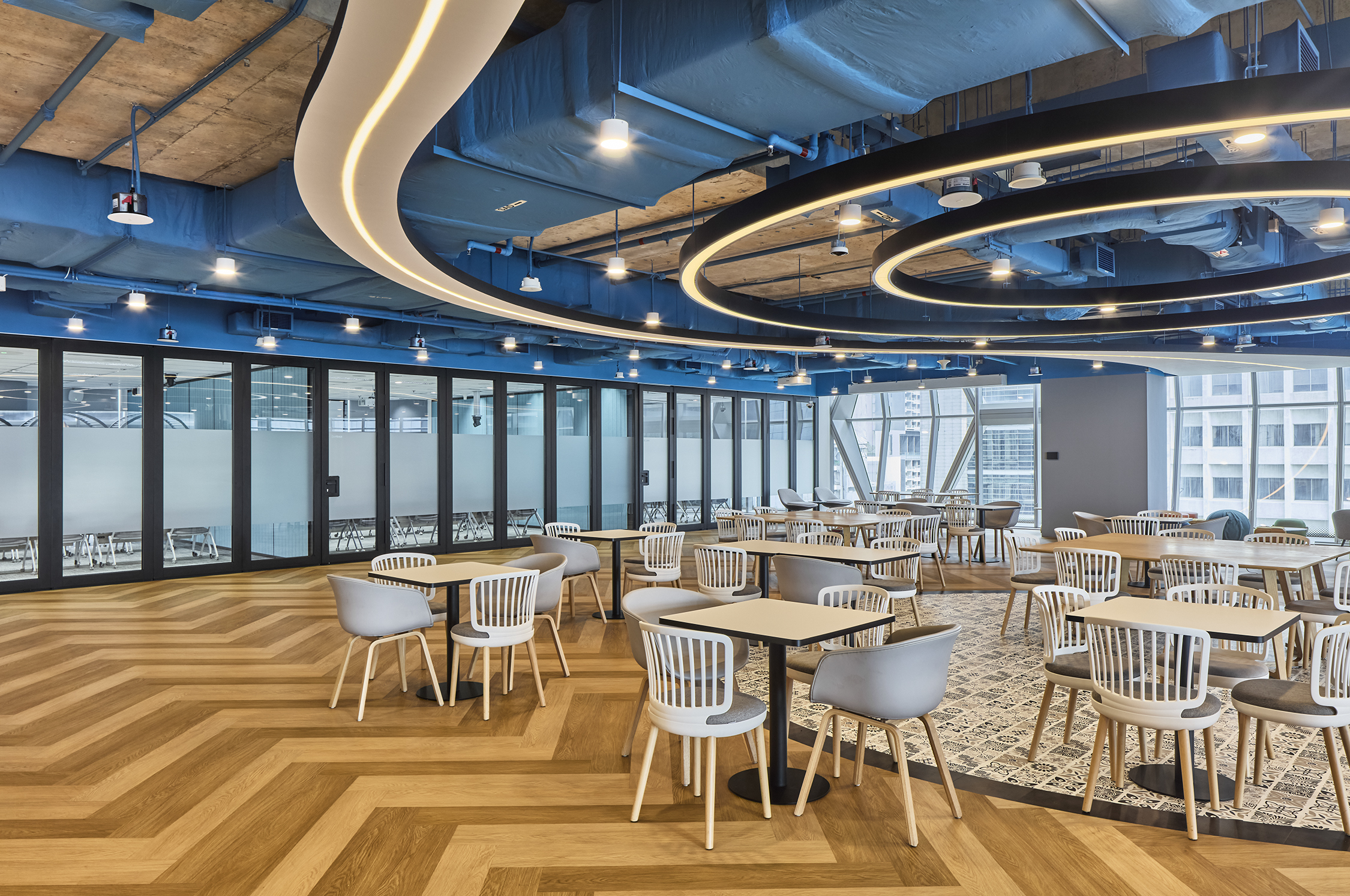
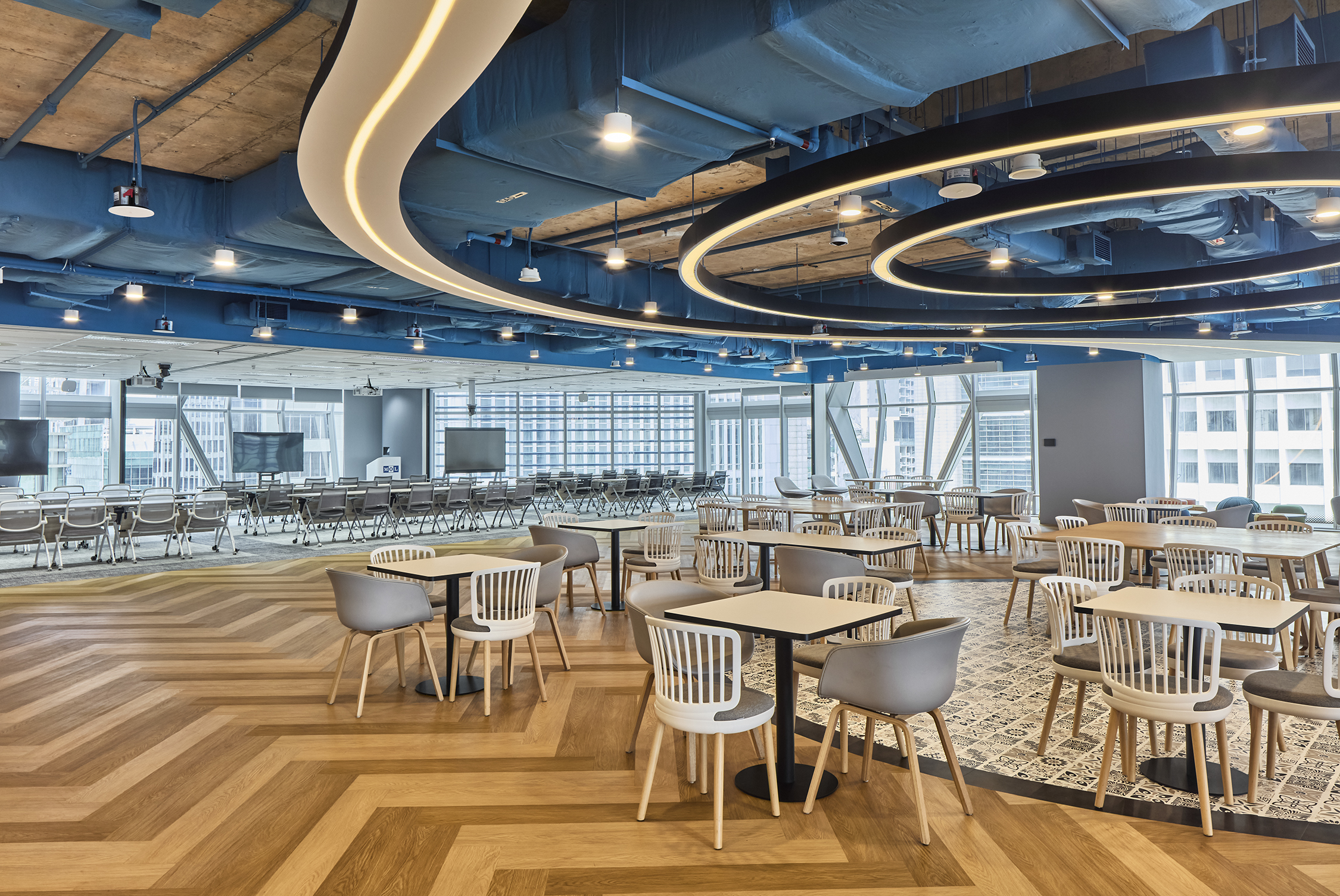 Operable partitions and adaptable furniture allow the workplace to accommodate different activities and spatial requirements.
2. Design for Longevity
A well-designed workplace should continue to perform long after its first day of occupancy. Beyond aesthetics, the longevity of space depends on thoughtful material selection, construction quality and detailing that can withstand the demands of everyday use.
In commercial office environments, durable finishes, appropriate material specifications and maintainable components play an important role in extending the lifespan of workplace interiors while reducing the need for frequent repairs and replacements.
At DB&B, material suitability is considered alongside design aesthetics, functionality and operational requirements. From selecting finishes for their intended use to coordinating construction details and planning for future maintenance, each decision contributes to long-term performance of a workplace.
Our integrated workplace design and build capabilities, supported by in-house fabrication and construction teams, enable design intent, material performance and buildability to be considered together, creating practical solutions that balance quality, durability and functionality.
Ultimately, designing longevity is not simply about selecting hard-wearing materials. It is about creating sustainable, enduring workplaces that remain functional, relevant and fit for purpose as organisations evolve. .
Key considerations: Commercial-grade finishes, quality detailing, material suitability, maintainability and replaceable components.
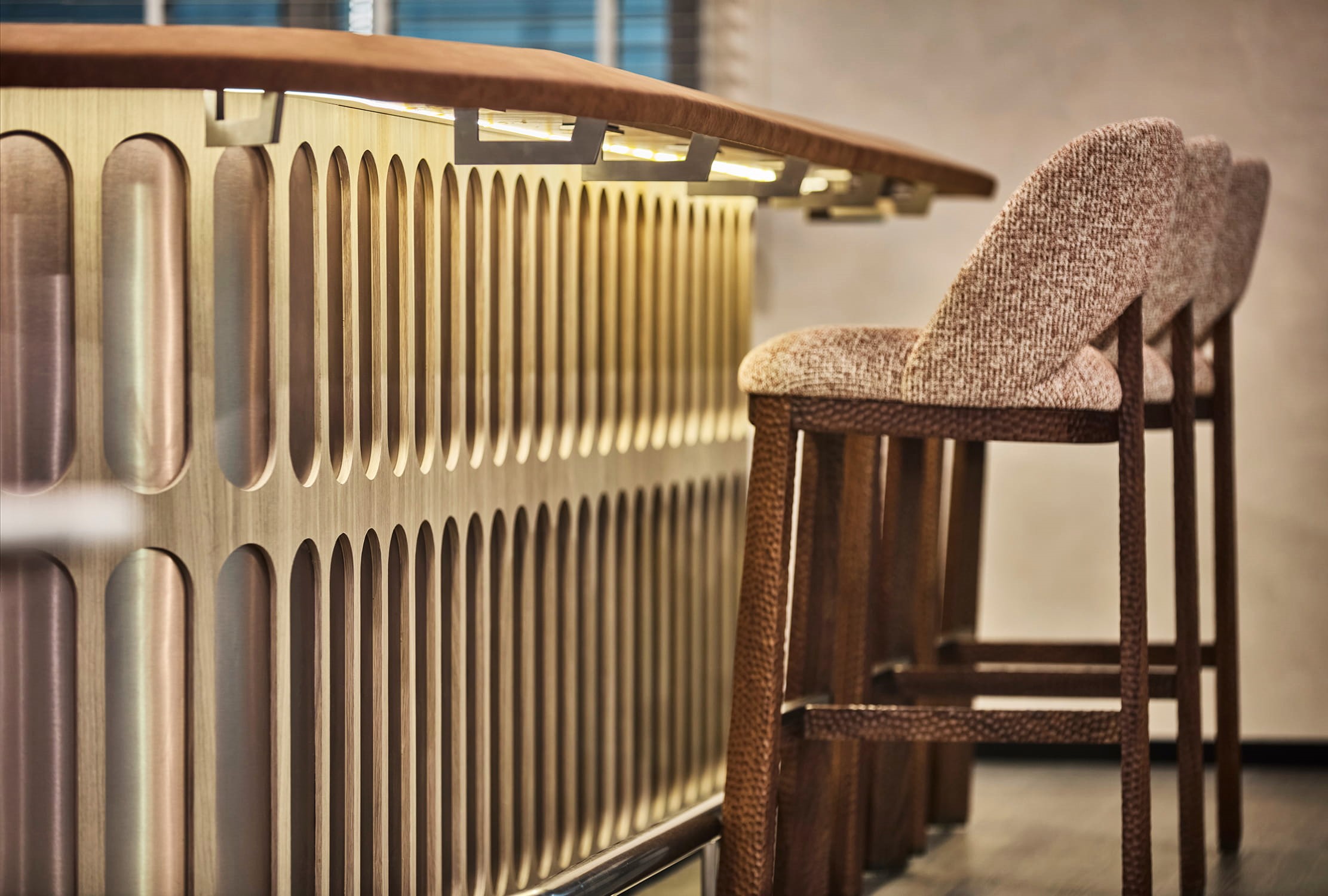 Bespoke joinery and considered material detailing reflect the importance of craftsmanship and material selection in workplace design.
3. Give Existing Assets a Second Life
When planning an office renovation or workplace transformation, sustainability begins with a simple consideration: what can be retained and reused?
Existing workplaces often contain furniture, partitions, storage systems and fittings that remain functional and suitable for continued use. Rather than replacing these elements as part of the new office fit-out, organisations can explore opportunities to retain, refurbish, reupholster, relocate or reconfigure them to meet evolving workplace needs.
This approach requires careful assessment early in the design process, considering asset condition, functionality, safety, compatibility with the proposed layout and the practical costs of reuse. Integrating existing elements into a new workplace also calls for thoughtful space planning and design coordination.
Where feasible, furniture reuse and refurbishment can reduce the demand for new materials, minimise renovation waste and extend the useful life of existin workplace assets.
More importantly, it reflects a fundamental principle of circular workplace design, recognising the value of resources already in place before introducing new ones.
Key considerations: Existing asset assessments, furniture reuse, refurbishment, component recovery and responsible material selection.
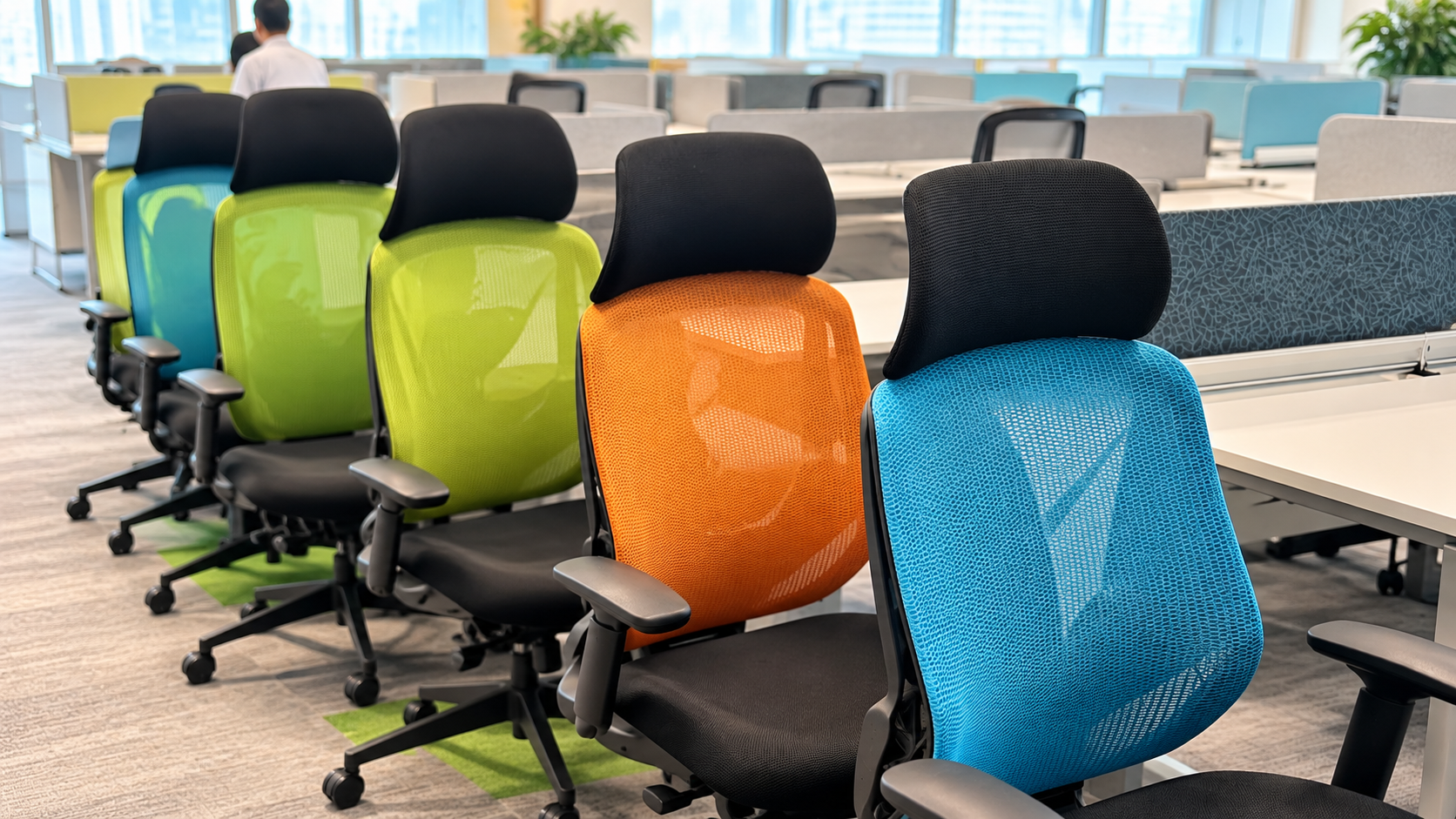 Giving existing furniture a second life through reuse and relocation, extending its useful lifespan, reducing unnecessary replacements and supporting a more resource-conscious workplace.
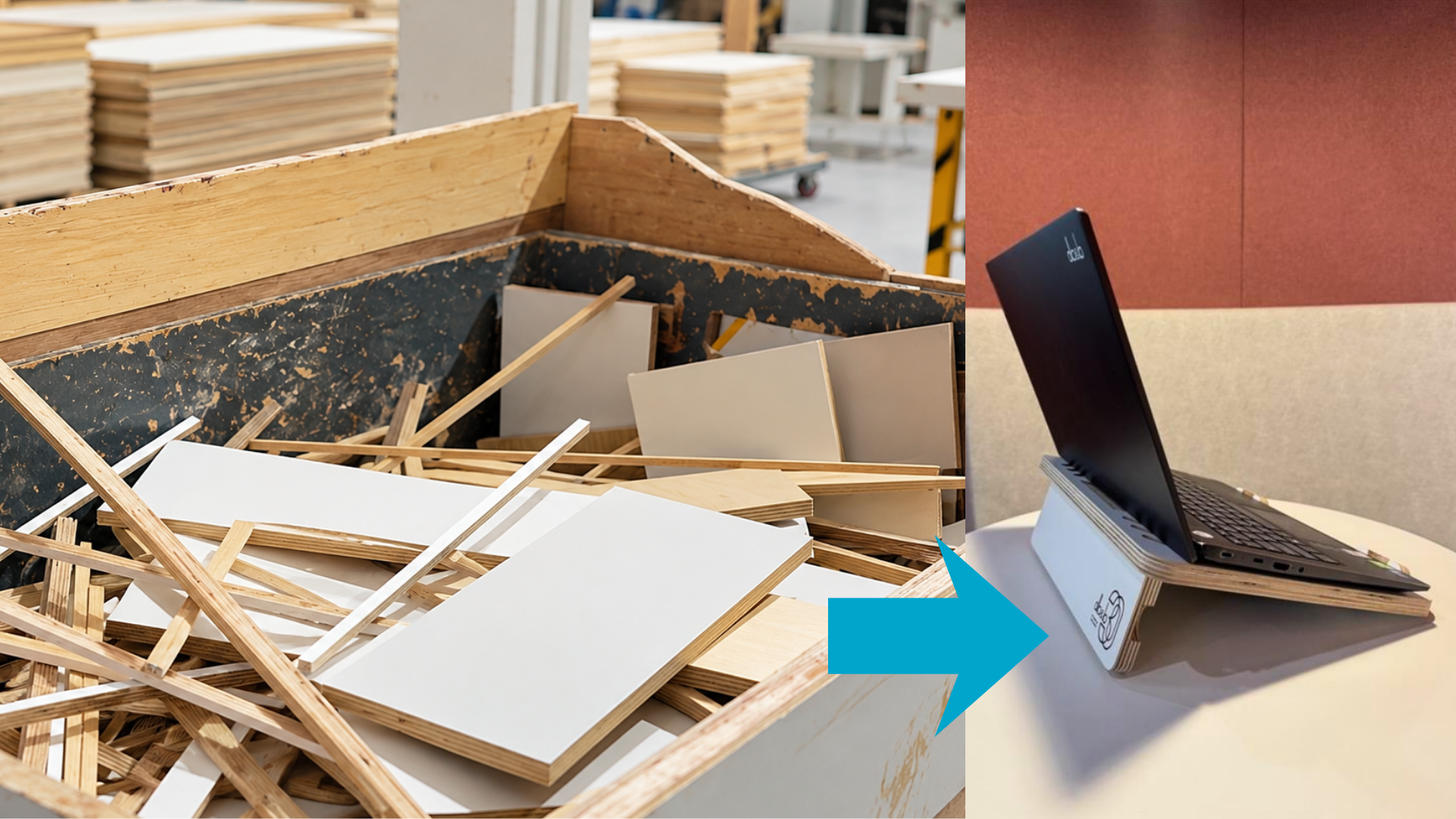 At DB&B’s in-house factory, leftover wood and offcuts are given a second life, repurposed into functional everyday items such as phone and laptop stands, reducing material waste and making better use of existing resources.
From Design Intent to Delivery
Creating a sustainable workplace goes beyond incorporating individual design features. It requires a holistic approach that considers how decisions made throughout the project lifecycle contribute to long-term functionality, adaptability and responsible resource us.
At DB&B, our integrated workplace design and build approach brings together design development, material selection, fabrication and construction planning within a coordinated process. Supported by in-house fabrication and construction capabilities, we are able to material suitability, buildability, installation efficiency and long-term maintenance alongside design aesthetics and workplace functionality.
Every workplace project presents its own operational needs, site conditions and priorities. The focus is on identifying practical, sustainable design solutions that balance design quality, functionality, commercial considerations and environmental responsibility, while creating workplaces that remain relevant as business needs evolve.
Building Workplaces for the Future
The true value of a workplace extends beyond its appearance on opening day. It lies in how effectively space supports its people, adapts to changing business needs and makes responsible use of the resources invested in its creation.
This World Sustainability Day, we reflect on the importance of designing with the future in mind. From flexible space planning and durable materials to thoughtful reuse, energy-efficient building systems and biophilic design, each consideration contributes towards creating more sustainable, resource-conscious workplaces.
At DB&B, we believe thoughtful design and responsible delivery go hand in hand. By integrating sustainability considerations throughout the office design and build process, we strive to create workplaces that deliver lasting value for people, businesses and the environment.
Explore DB&B‘s workplace design and build expertise and discover how we approach the workplaces of tomorrow.