
DB&B China Celebrates Four Wins at the 2026 MUSE Design Awards Season 1
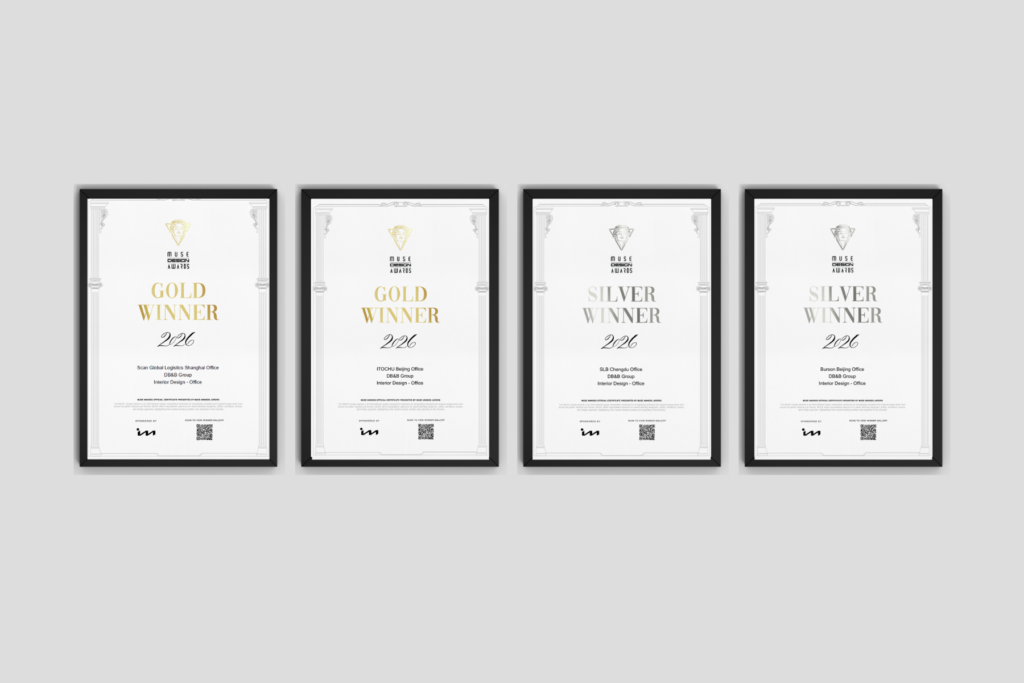
CHINA – The 2026 MUSE Design Awards Season 1 has announced the official list of winners. This season’s competition attracted over 13,000 entries from across the globe, celebrating excellence and innovation across a diverse range of international projects. In this highly competitive field, DB&B China has been recognised with four distinctions – two Gold and two Silver awards for workplace projects. These accolades reflect the studio’s strength in delivering thoughtful and high-performing environments across diverse client sectors. Discover our award-winning design stories: ITOCHU Beijing, please click here. Scan Global Logistics Shanghai, please click here. Burson Beijing, please click here. SLB Chengdu, please click here.
The Hidden Value of Integrated Design & Build
At the executive level, a successful workplace project is measured by certainty – certainty of cost, programme, quality and risk control. When a project delivers on time, within budget and without operational disruption, it can appear straightforward. But smooth delivery is rarely the result of good fortune. It is the outcome of early integration, disciplined coordination and deliberate risk mitigation. The true value of an integrated Design & Build model lies in what happens before site mobilization. Alignment From the Start In traditional delivery models, design and construction operate in silos. Misalignment between intent and execution often surfaces late – in the form of variations, delays or budget exposure. An integrated Design & Build approach removes that fragmentation. By aligning design, engineering, procurement and construction teams from the outset, feasibility is tested early. Buildability is reviewed in parallel with design development. Costs are validated continuously. Compliance and authority requirements are anticipated, not reacted to. This reduces uncertainty. For leadership teams, this means fewer surprises during delivery and stronger control over capital expenditure. Risk Is Managed Before It Materialises Risk in workplace projects rarely announces itself loudly. It emerges quietly – through coordination gaps, unclear scope boundaries, incomplete authority submissions or late-stage material changes. Integrated delivery is designed to address these risks upstream. Through early-stage technical reviews, structured coordination workshops and transparent cost modelling, potential conflicts are identified before they escalate into programme delays or commercial disputes. The impact is tangible: Reduced change orders Greater cost predictability Improved schedule integrity Clearer accountability across stakeholders For OKG Singapore, specific operational requirements were embedded from the very start of design development. As an integrated designer and builder, we apply construction expertise at the design stage – identifying buildability, cost, and future-proofing considerations early. Unlike traditional fragmented approaches, where issues often surface only during construction, early integration helps prevent delays, variations and unexpected costs. Governance and Accountability Strengthened For executive sponsors, governance matters as much as design quality. Within this integrated structure, project teams are organized with clear governance layers and escalation pathways, typically anchored by senior company leadership. Because design and construction sit within a single organization, issues do not move across multiple external parties before resolution. Instead, they are escalated internally to leadership with the authority to make timely decisions and coordinate the necessary response. For clients, this reinforces the value of a single point of responsibility. Rather than managing fragmented accountability across multiple parties, executive sponsors have confidence that challenges will be addressed within one accountable structure – enabling faster resolution, clearer ownership and stronger control over project outcomes. Programme Certainty and Business Continuity In many workplace projects, time is not merely a schedule metric – it is a business risk. Delays can affect lease transitions, regulatory commitments, operational readiness and reputational standing. Integrated planning aligns procurement strategy, construction sequencing and authority approvals early in the lifecycle, reducing exposure to programme drift. Where projects are delivered in live environments, phasing and mitigation strategies are embedded into the delivery plan from day one – protecting ongoing operations and stakeholder experience. In a time-sensitive relocation, parallel design validation and authority submission reduced approval lead time by 20%, safeguarding business continuity. For MOL Group, we carried out addition and alteration works to their existing workspace to accommodate a growing workforce. Having completed their original office fit-out, we understood their floor plate, infrastructure and operational needs – allowing us to plan the live phasing works carefully from the onset without impacting their day-to-day operations. For executive leadership, this translates to confidence that the project will not disrupt the broader business agenda. Beyond Completion: Performance as the True Benchmark Completion is not the ultimate measure of success. Performance is. An integrated partner remains engaged beyond handover – ensuring systems are calibrated, IAQ targets verified and operational adjustments made where necessary. The objective is not simply to deliver a space that looks complete but one that performs reliably from day one. Because capital investment in workplace transformation must deliver measurable return – through productivity, employee experience, operational efficiency and long-term asset value. Strategic Value, Not Just Project Delivery Integrated Design & Build is not about convenience. It is about control. It creates alignment between vision and execution. It strengthens financial predictability. It reduces operational risk. It provides leadership with clarity and confidence throughout the project lifecycle. The hidden value is not found in finishes or visual impact – it is found in the disciplined integration that makes those outcomes possible. When a project feels seamless, it is because the complexity was managed early, strategically, and deliberately. And that is where true value lies.
DB&B Group Secures Triple Gold at the 2025 International Interior Design Awards
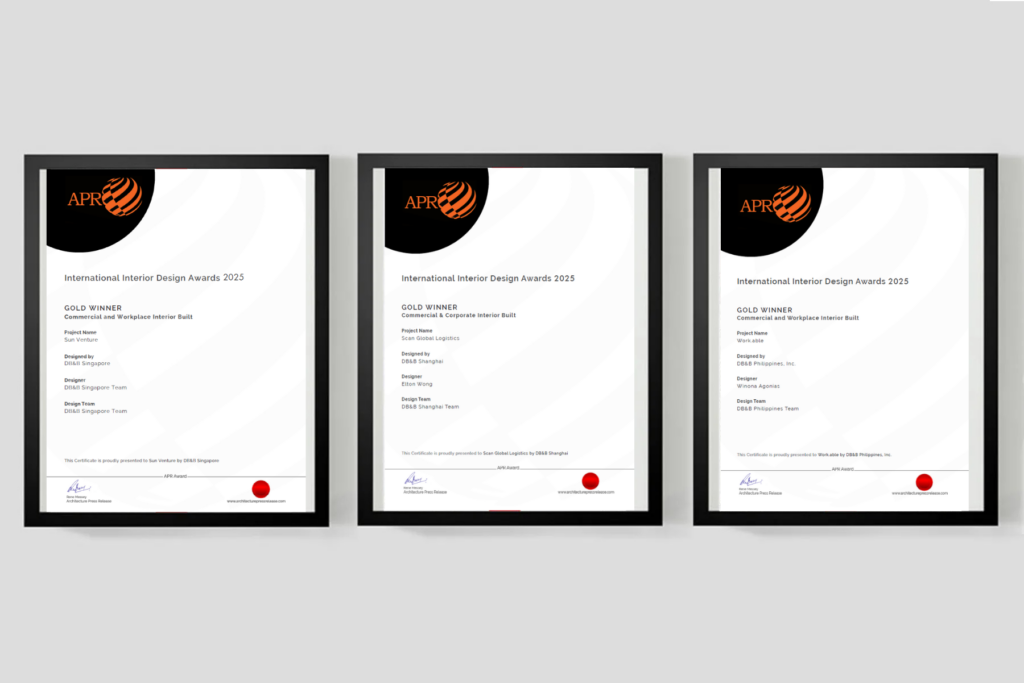
Singapore, China and Philippines – DB&B Group has been awarded three GOLD distinctions at the 2025 Interior Design (IID) Awards, a prestigious global competition hosted by Architecture Press Release (APR). The IID Awards recognise excellence and innovation in interior and product design, celebrating both established firms and emerging talent from around the world. This year’s edition showcased an exceptional standard of creativity, design thinking and execution across diverse project typologies and markets In this highly competitive field of international entries, DB&B Group received three GOLD awards for its projects: Sun Venture (Singapore), Scan Global Logistics (China) and Work.able (Philippines). This triple win marks a significant milestone for the Group and underscores its commitment to delivering high-quality, human-centric design solutions across the region. The recognition further reflects DB&B’s integrated design-and-build capabilities and its consistent ability to translate client aspirations into thoughtfully executed spaces that perform. Click here to read the full design story for Sun Venture. Click here to read the full design story for Scan Global Logistics. Click here to read the full design story for Work.able.
The Smart Office: Tech That Actually Works
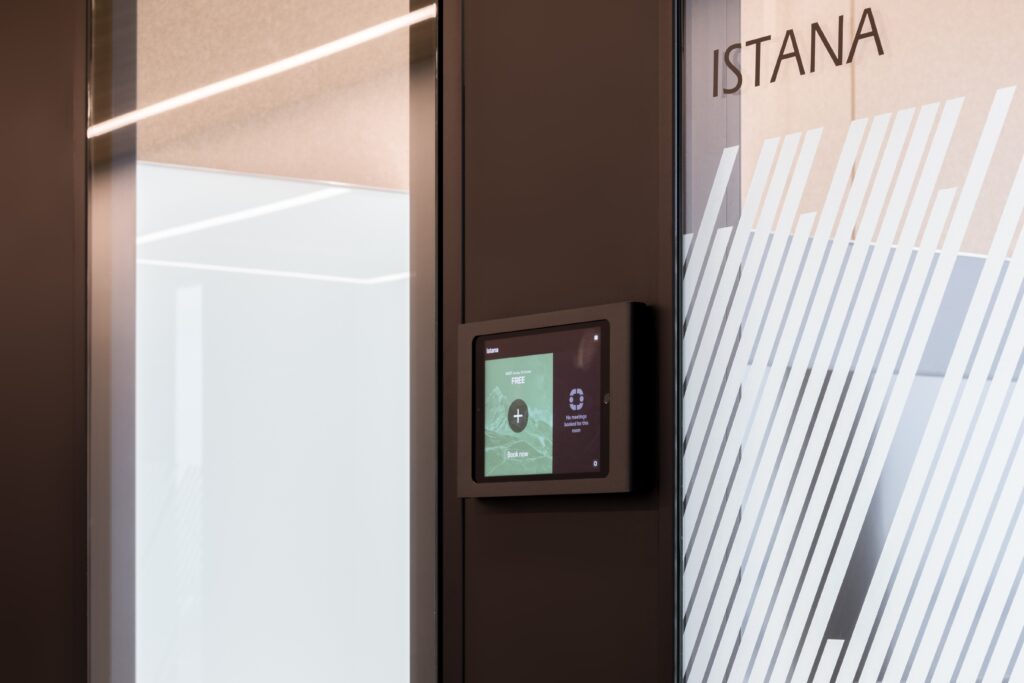
Not every office needs to look futuristic. But every office can be smarter. Around the world, companies are rethinking what a “smart office” really means. For some, it’s been about adding the flashiest gadgets – AI-powered screens, robotic walls, voice-controlled everything. But the smartest workplaces aren’t defined by gimmicks. They’re defined by how seamlessly technology improves people’s daily experience, boosts business performance and supports sustainability. At DB&B, we believe the future of workplace design is not about more tech, but about the right tech. And the offices that succeed are built around three pillars: people, performance and planet. Breathing Easier: Smarter Air, Healthier People Imagine walking into the office on a humid Monday morning. Instead of the stuffy, recycled air you half expect, the space feels fresh. That’s because an adaptive HVAC system has already detected the rising number of people and adjusted ventilation. Later, when a 12-person meeting packs into a boardroom, the system quietly increases airflow and filtration, preventing the “mid-meeting slump” from stale air. This isn’t just about comfort. Real-time air quality monitoring – tracking carbon dioxide, particulate matter and VOCs – means healthier staff, fewer sick days and a more reassuring environment post-pandemic. Lighting That Works With Us At 9am, your desk glows with bright, cool-toned light that helps you stay alert. By 4pm, the tones soften, easing eye strain after a long day. Daylight sensors, typically installed at the perimeter windows, will trigger the system to dim artificial lighting as the sun streams in, cutting energy waste without you even noticing. Smart lighting does more than illuminate; it supports circadian rhythms, reduces fatigue and improves mood. Done well, it doesn’t feel like “technology” at all – it feels like the office is tuned to your body clock. Workplaces That Respond to People Picture this: you’re about to start a brainstorming session. Instead of wandering the floor hunting for space, you open an app, check room availability in real time and walk straight to an open collaboration pod. Inside, partitions can be shifted for privacy or opened up for a team huddle. Meanwhile, occupancy sensors feed data back to facilities managers, showing which zones buzz with activity and which remain empty. Over time, this data shapes smarter layouts – ensuring offices aren’t just designed once but continuously improved. As part of our smart office strategy, DB&B implemented a space occupancy and indoor air quality (IAQ) monitoring system integrated with a meeting room booking platform. Sensors discreetly track real-time data such as air quality, temperature, humidity, and occupancy levels, all visualized through a central dashboard. This live data allows facilities teams to quickly identify areas that require improved ventilation or thermal adjustment, while occupancy insights help optimize meeting room usage. Over time, these data points support smarter space planning, better energy management and a consistently comfortable environment for employees – turning the office into a responsive workplace that adapts to how people actually use it. Energy That Works Smarter, Not Harder At 7pm, most of the office has emptied out. Instead of cooling every corner of the building, the system automatically scales back in unused areas, maintaining just enough ventilation for safety. On the facilities dashboard, the sustainability manager sees energy usage drop in real time – proof that the office is saving both money and carbon. This is where smart energy systems shine. From dashboards that integrate HVAC and lighting to smart meters tracking consumption by floor or department, companies now have the tools to make sustainability measurable and actionable. The Human Touch Technology is only successful when it feels effortless. If you need an instruction manual to turn on the lights, it has failed. The best smart offices are intuitive: you adjust the room booking app with a swipe, lights brighten automatically when you enter, and the air simply feels right. In the smartest workplaces, people rarely notice the technology. They just notice how comfortable, efficient and inspiring the space feels. The office of the future doesn’t need to resemble science fiction. It just needs to work better – for people, for business and for the planet. When applied with purpose, smart technology is invisible: the air feels fresher, the light feels natural, rooms flex to your needs and energy waste quietly disappears. At DB&B, we believe the smartest office is one where people thrive, performance improves and sustainability is built into everyday life.
Designing Identity: How Branding Shapes Interior Spaces
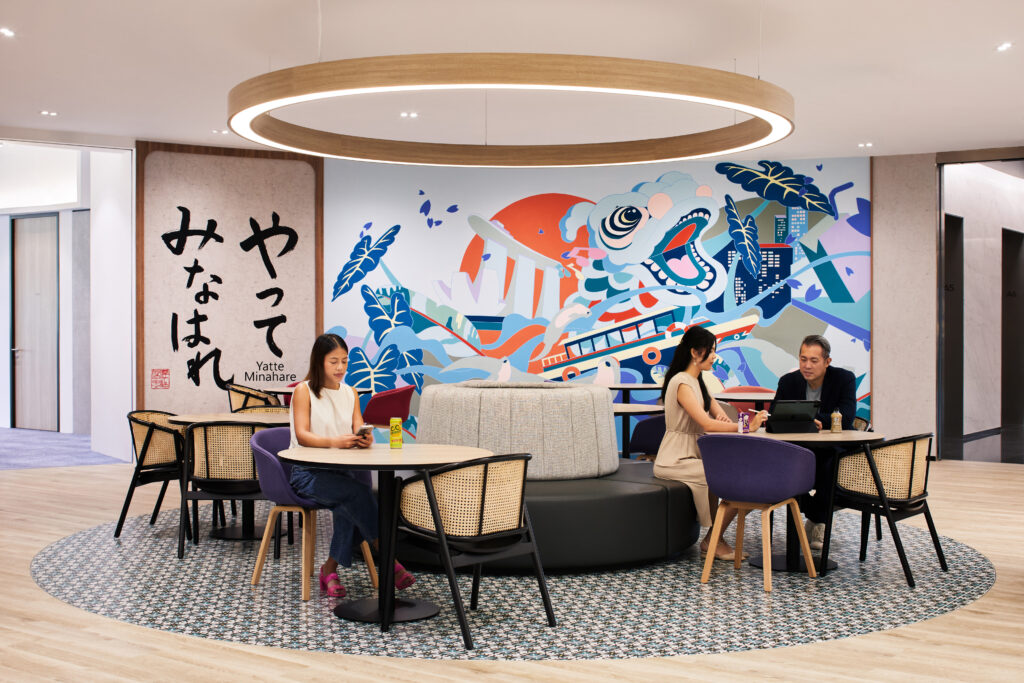
When people step into an office, they instantly form an impression – often before they’ve spoken to anyone. The color on the walls, the materials underfoot, the lighting, the flow of space – all of these subtly tell a story about who the organization is. In today’s competitive landscape, workplaces are more than functional environments. They are physical embodiments of brand identity. A well-designed space doesn’t just support work; it communicates culture, values and purpose. At DB&B, we see branding not as decoration, but as strategic storytelling through space. DB&B supported a global tech company to bring local culture into their workspace. Environmental branding isn’t just about looks – it’s about storytelling and connection. Why Brand Expression Belongs in the Built Environment Traditionally, branding was confined to logos and marketing materials. But as the workplace evolved into a central touchpoint for employees, clients, and partners, the brand experience had to expand – from digital to physical, from seen to felt. When done right, a branded interior: Reinforces corporate culture by translating values into spatial behavior. Builds pride and belonging among employees who identify with the company’s story. Creates memorable first impressions for clients and visitors. Differentiates the organization in a sea of generic office environments. Ultimately, every square foot of space becomes a communication tool. Translating Brand into Design So how does branding take form inside an office? It’s not about covering walls with logos. It’s about interpreting the brand’s personality and translating it into a sensory experience – what people see, hear and feel as they move through the space. 1. Color and Material Palette The color palette is often the most direct connection to a brand identity, and when applied with strategic intent and creative flair, it becomes a powerful storytelling tool. Material choices also speak volumes: natural wood can reflect authenticity; glass suggests openness; textured finishes evoke warmth and human touch. Work.able Philippines – Guided by local culture, the design at the reception integrates woven textures, organic forms and warm hues to create a space that is both welcoming and professional. 2. Spatial Planning and Behavior Brand values can guide not only aesthetics but how people use the space. A company that champions collaboration may feature open lounges and shared tables. One that values focus and precision may lean on acoustic pods and controlled lighting. Layout is culture made visible. At SAP Singapore, in addition to the huddle spots injected amongst work benches, larger community spaces are carved out around the central staircase to motivate collaboration and interaction. 3. Graphics and Storytelling Touchpoints Environmental graphics, signage, and curated art help articulate brand stories. Feature walls, digital displays and even subtle wayfinding can weave narrative layers throughout the office. Each element should add meaning, not clutter. At Suntory Beverage & Food Asia, a hand-painted mural by a specialist artist captures both the brand’s presence in Singapore and the spirit of its founder, Shinjiro Torii. His iconic motto, “Yatte Minahare,” continues to inspire the team to embrace bold ventures and lead with entrepreneurial courage. At Guangji Law Firm – Creative discussion areas are designed to foster informal conversations and brainstorming sessions. Branded floor graphics add a fun, energetic layer that brings the whole space to life. 4. Lighting and Atmosphere Lighting sets tone. Bright and dynamic schemes project energy; warmer, diffused light conveys hospitality and calm. Increasingly, designers use dimmable lighting to create brand-specific ambience across zones. For a global hospitality company, a warm, inviting ambience defines the reception, with tactile materials and soft lighting quietly shaping a comforting arrival experience. The Employee Experience as Brand Experience Branding interiors is no longer about impressing visitors – it’s about inspiring people who work there every day. Employees are the brand’s most powerful ambassadors. When the physical environment echoes the organization’s purpose, it nurtures emotional connection and pride.A workplace that aligns with its brand promises – innovative, caring, sustainable, inclusive – strengthens culture and retention. For instance: A healthcare company may design spaces that feel restorative – with natural light, soothing colors, and biophilic elements. A sustainability-driven business might showcase upcycled materials or visible recycling stations as tangible expressions of its values. A luxury brand might use precision detailing and tactile finishes to mirror its craftsmanship ethos. In each case, the brand moves beyond a tagline – it becomes an experience. Case in Point: Telling Brand Stories Through Space DB&B Singapore partnered with Suntory Global Spirits to design and build its new 18,000 square feet Singapore office, creating a premium workspace that supports 150 employees with fluid, collaborative environments. A defining feature of the project is the experiential entrance walkway, conceived to offer an immersive introduction to the brand’s world and its meticulous art of whiskey-making. Drawing from Japanese and American craft traditions, the walkway integrates tactile wooden barrels and a dynamic video mural showcasing Suntory’s history, processes, and iconic products. Integrating Brand, Wellness, and Sustainability Today’s clients increasingly ask: How do we express our brand while creating a healthy, sustainable workplace? The answer lies in thoughtful integration. A brand committed to innovation might adopt smart technologies and adaptive lighting; one driven by well-being might emphasize natural ventilation and greenery. Brand, wellness and sustainability aren’t separate – they reinforce each other to create spaces that feel authentic, responsible, and future-ready. From Brand Guidelines to Brand Experience Every project begins with understanding – not just the visual identity, but the essence of the organization. We start by asking: What emotions should the space evoke? How do people interact and move here? What story should visitors take away? Once we translate those answers into spatial language, the result is a workplace that doesn’t simply carry a logo – it lives the brand. Closing Thought Branding an interior is about more than aesthetics. It’s about alignment – ensuring the space reflects the company’s purpose and the people who bring that purpose to life. At DB&B, we design environments that speak without words – workplaces that embody identity, celebrate culture and leave a lasting
Breathe Easy: Why Indoor Air Quality Matters Before You Move In
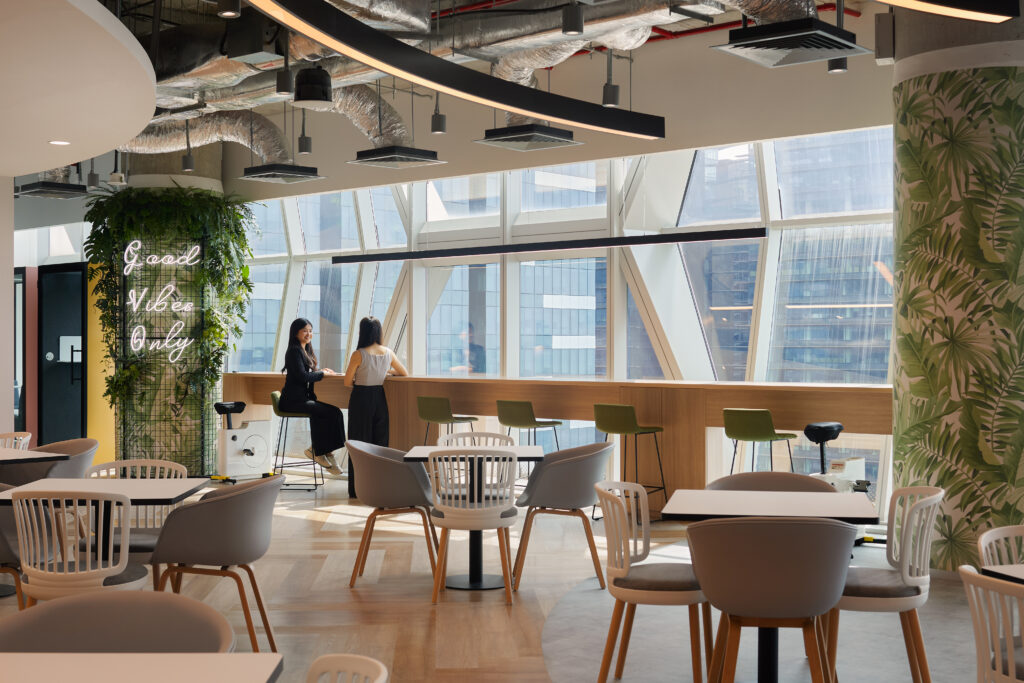
The first thing people notice in a new office isn’t the furniture – it’s how the air feels. Fresh, comfortable air creates an instant sense of calm and well-being; stale or stuffy air, on the other hand, can undo months of design effort the moment employees step inside. In workplace design and build, Indoor Air Quality (IAQ) is one of the most overlooked yet critical factors in ensuring occupant comfort, health, and productivity. While aesthetics and function often take center stage, the air we breathe is just as important to how a workplace performs. At DB&B, we see IAQ as part of the invisible design – shaping experiences that people may not see, but always feel. MOL Singapore – While aesthetics and function often take center stage, the air we breathe is just as important to how a workplace performs. Understanding Indoor Air Quality Indoor Air Quality refers to the condition of the air inside a building, measured by factors such as temperature, humidity, ventilation, and pollutants. These pollutants can include carbon dioxide (CO₂) from human respiration, volatile organic compounds (VOCs) from paints and finishes, and particulate matter (PM2.5 or PM10) from construction dust or outdoor air infiltration. In new offices, poor IAQ is often caused by the very materials and systems that make the space look fresh – newly painted walls, recently installed carpets, or adhesive-heavy joinery work. These materials can release emissions for days or even weeks. Without proper ventilation and testing, occupants may experience headaches, fatigue, or discomfort soon after move-in. The good news? With thoughtful planning and proactive IAQ management, this can be prevented long before occupation. Why IAQ Matters Before Occupation Most clients think about air quality only after people start complaining. By then, it’s often too late – adjustments require downtime, rebalancing HVAC systems, or even costly rework. Managing IAQ before handover ensures comfort, compliance, and confidence right from day one. Health and Well-being: Poor air quality can lead to reduced concentration, respiratory irritation, or “sick building syndrome.” Pre-occupation testing ensures these risks are addressed before employees move in. First Impressions: The move-in experience sets the tone for culture and morale. Clean air makes the office feel new and inviting – not chemically sharp or humid. Certification and Compliance: Standards such as WELL, Green Mark, and LEED require proof of IAQ performance. Testing and documentation during handover make certification smoother. Cost Efficiency: Identifying IAQ issues before handover prevents expensive rectification works or post-occupancy complaints later. In short, comfort begins before occupation. How to Ensure IAQ Comfort Before Move-In Delivering good IAQ is a coordinated effort between design, construction, and facility teams. Here’s how DB&B approaches it throughout the project lifecycle. 1. During Construction It begins with material selection. Specifying low-VOC paints, sealants, and composite wood significantly reduces pollutants. On-site, we ensure materials are stored properly to prevent moisture or mold growth. Running ventilation systems during finishing works, where feasible, helps clear airborne contaminants early. 2. Pre-Occupation Testing and Purging Before handover or after odour-producing works, the space undergoes an air purging period where the HVAC system runs at high ventilation rates for a period of time to purge residual emissions. Specialist consultants can then conduct IAQ tests for parameters such as CO₂, VOCs, formaldehyde, particulate matter, ozone, and carbon monoxide. Results are compared against standards (e.g., WELL v2 or NEA guidelines) to confirm compliance. In one of our recent projects, certain on-site works involved materials that produced strong odours. The challenge was amplified by the site’s location — within a mixed-use development that included a hotel. To protect neighbouring occupants and maintain indoor air quality, our project team implemented a series of preventive measures. The affected areas were sealed off with protective barriers, air purifiers were deployed to filter contaminants, and a temporary exhaust system was installed to channel air safely outdoors. Through this proactive approach, we successfully minimised odour impact and maintained a healthy environment, allowing construction activities to continue without disrupting the surrounding premises. 3. Calibrating the HVAC System An IAQ-ready building needs an adaptive mechanical system. Engineers fine-tune air balancing, humidity control, and temperature zoning to ensure consistent comfort. When combined with smart sensors, these systems respond dynamically — increasing airflow in busy areas or reducing cooling when spaces are unoccupied. 4. Transparent Handover Documentation IAQ test reports and calibration records maybe included (upon request) in the final handover package, giving clients assurance that the environment is not only functional but healthy. We also brief facilities teams on ongoing maintenance schedules, such as filter replacements and seasonal recalibration. Smart Monitoring for Ongoing Assurance The evolution of IAQ sensors and adaptive HVAC systems now makes it possible to maintain healthy air long after handover. Small, discreet sensors continuously measure temperature, humidity, CO₂, and VOCs, sending data to a central dashboard. If air quality dips below thresholds, the system automatically increases ventilation or triggers alerts. This real-time transparency aligns with corporate sustainability and ESG goals, allowing companies to report environmental performance with confidence. It’s not just about compliance – it’s about creating workplaces where people truly thrive. Designing for the Air We Don’t See The best workplaces don’t just look good – they breathe well. A comfortable environment is invisible yet tangible: fresh air that supports focus, balanced humidity that protects materials, and temperatures that adapt effortlessly to how people work. At DB&B, we believe good design is holistic. From material selection and IAQ testing to adaptive HVAC calibration and post-handover monitoring, every step contributes to a workspace that supports human well-being from the moment the doors open. Because the real measure of success isn’t just how a space looks on day one – it’s how it feels to the people who call it their workplace.
Designing for Neurodiversity: Inclusive Workplaces in Singapore
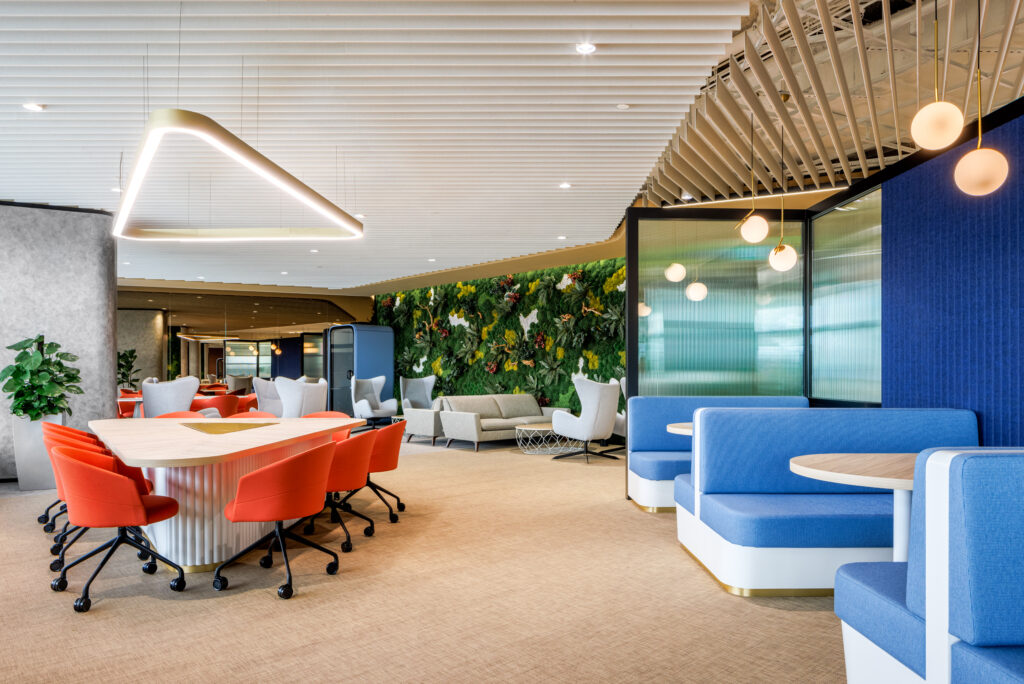
Discover how designing for neurodiversity creates inclusive, welcoming office spaces – boosting productivity, wellbeing, and employee satisfaction.
DB&B x Office Concept: Responding to The Changing Work Landscape
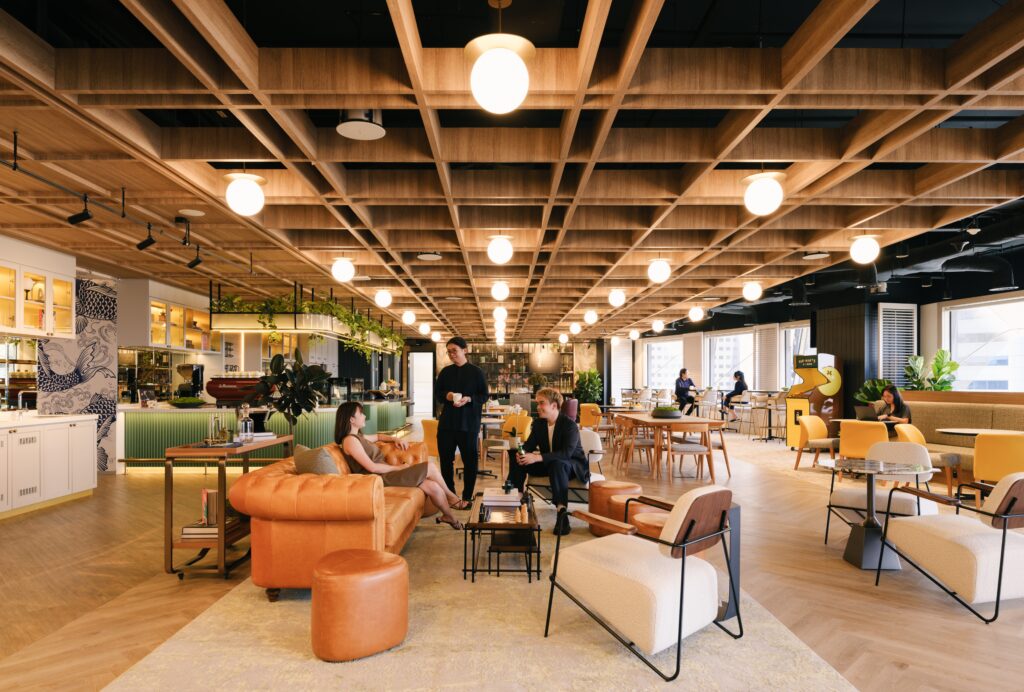
The latest issue of Office Concept 2024 spotlights 11 projects across Singapore, China, and the Philippines, featuring clients such as Suntory Global Spirits, Deloitte, ASMPT, IPSOS, and Work.able. Discover how evolving work patterns are reshaping office design and how DB&B is creating flexible, tech-enabled, and people-focused spaces that support both business goals and employee well-being.
Complete Office Renovation Guide: From Concept to Completion
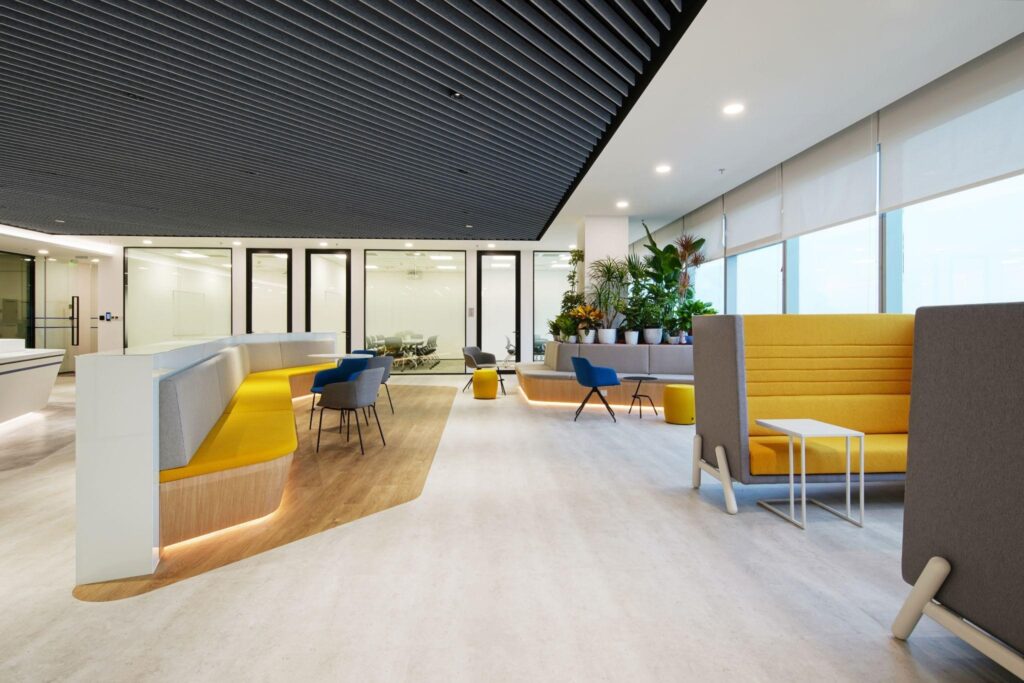
Learn how to strategically renovate your office for improved productivity, employee well-being, and brand enhancement. Our comprehensive guide covers planning, design, and execution.
How To Create A Modern Boardroom Design For Productivity
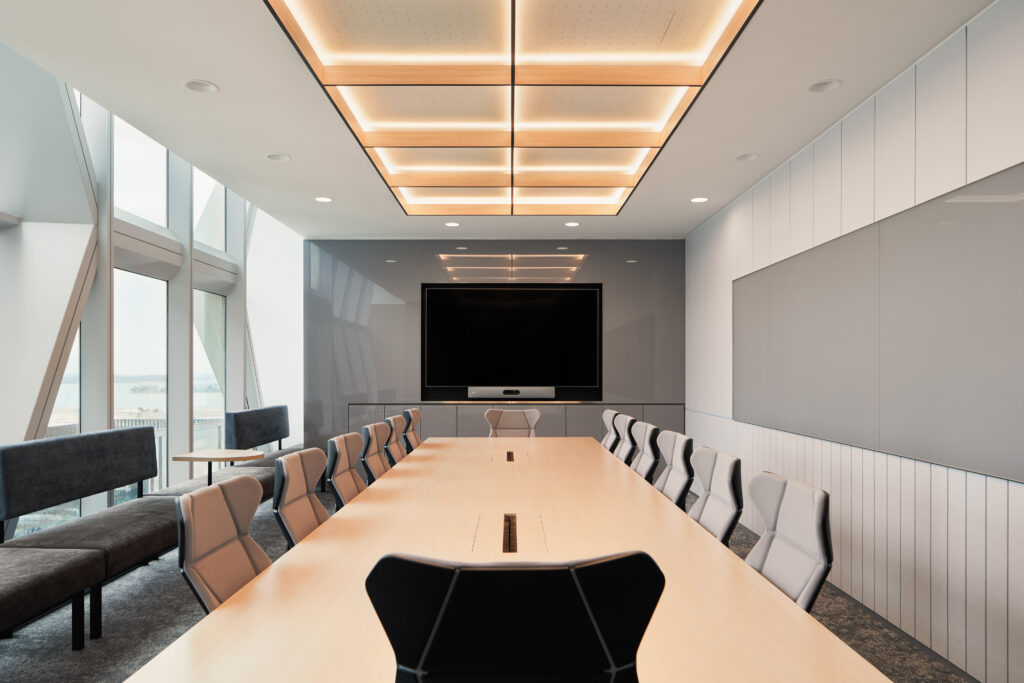
Understanding how to create a modern boardroom design that cares of comfort and privacy while including elements to boost productivity and employee well-being.